Museum
Venice Carnival Museum at Palazzo Dolcetti is the premier Venice Art Museum with the unique collection of rare masterpieces from all over the world.
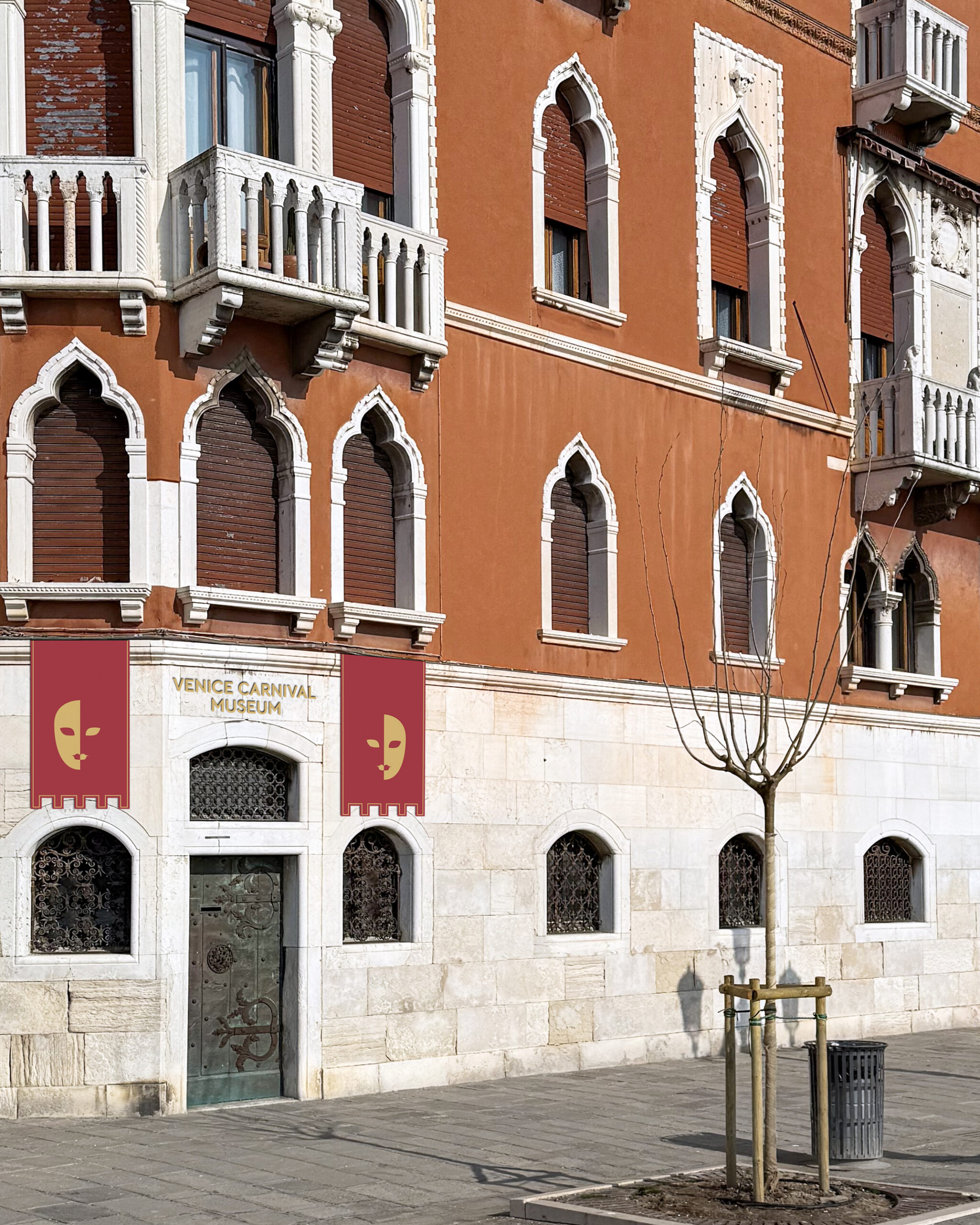
Nestled within the walls of an ancient palace, the noble Palazzo Dolcetti, overlooking the Fondamenta delle Zattere—the brightest shore of the Serenissima—the museum stands as a beacon of beauty and memory: an essential reference point for Carnival lovers and all those who nourish themselves with art and wonder.
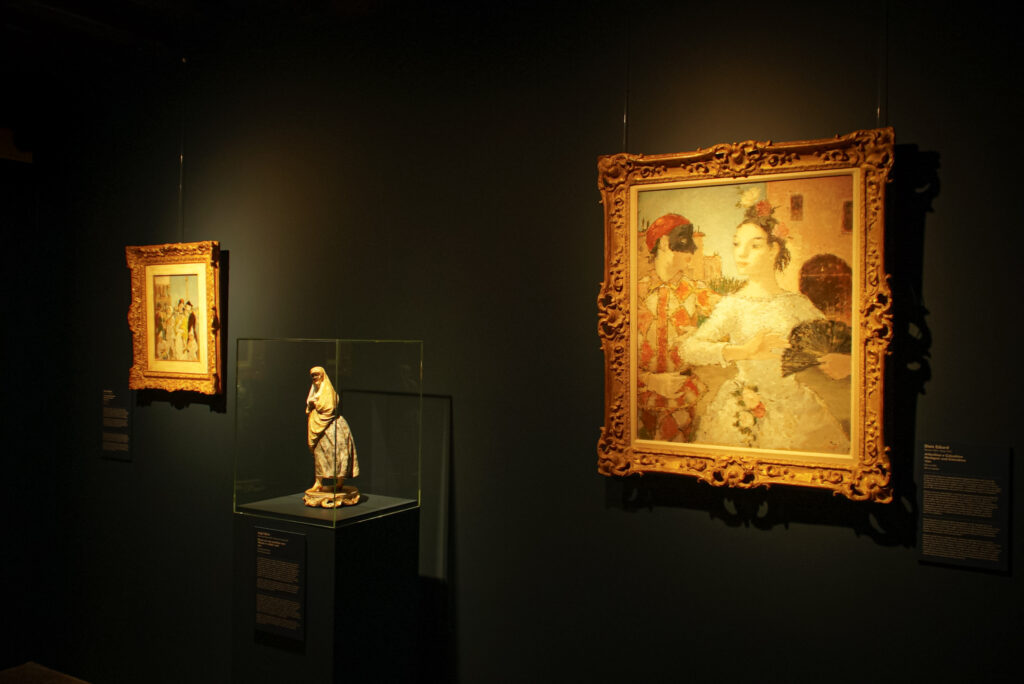
The collection housed within these rooms is a spell that spans the centuries. Each work is like a Venetian bridge, suspended between eras and influences, leading the visitor on a journey from the 18th to the 20th century. Here, the names of artistic giants—Picasso, Cocteau, Geminiano Cozzi, Luigi Fabris — meet, whose hands have interpreted the ephemeral and surprising essence of Carnival.
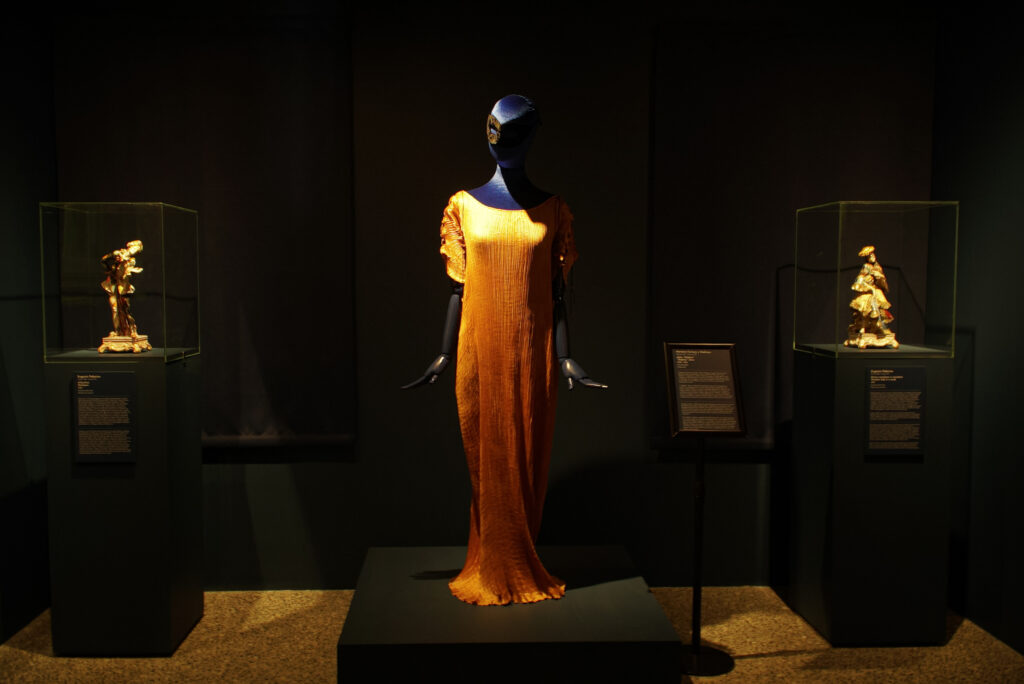
It is a glimpse into the soul of Carnival, filtered through the eyes and creativity of the greatest painters, sculptors, and masters: a symphony of visions that blend into a single kaleidoscopic image, a faithful reflection of the changing and unpredictable nature of this ancient festival.
Paintings, sculptures, ceramics, porcelain, historical costumes, and period furnishings intertwine as in a masked ball, giving visitors the rare thrill of breathing in, almost touching, the mysterious charm of a timeless tradition.
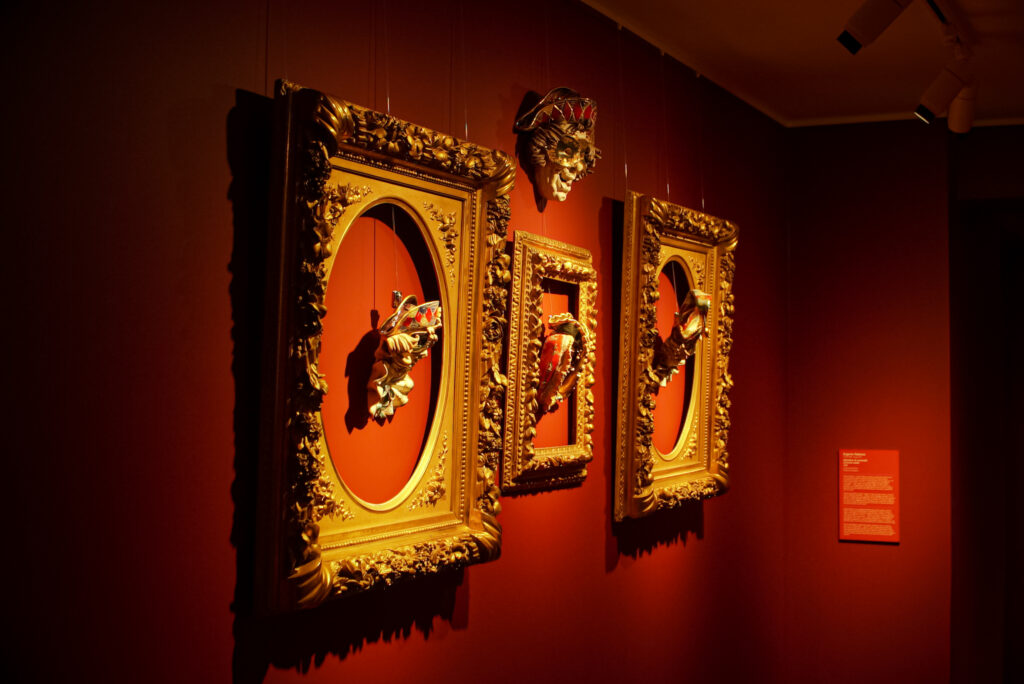
All this was made possible by the burning passion and profound respect for Venice of Arnold Uvarov, a refined collector of Russian origins who dedicated his life to preserving the myth of Carnival.
«It all began many years ago, when, in the most remote corner of a small Parisian antiques gallery, I spotted a delicate porcelain composition: a Venetian lady and a Harlequin, alone, melancholy. It was a work by the famous Luigi Fabris. There was such sadness, such loneliness, in them that I knew in that moment I had to bring them home, to Venice. Since that day, I have traveled tirelessly, searching everywhere for works born under the spell of Carnival and the Commedia dell’Arte, to bring them together here, in this museum, and finally donate them to the city and the world.»